How to Scale UGC Video Ads Without Creators or Constant Filming
Most teams know UGC works, but struggle to produce enough of it to matter. This guide breaks down why UGC performs and how to turn it into a repeatable system without relying on creators or time-consuming production.
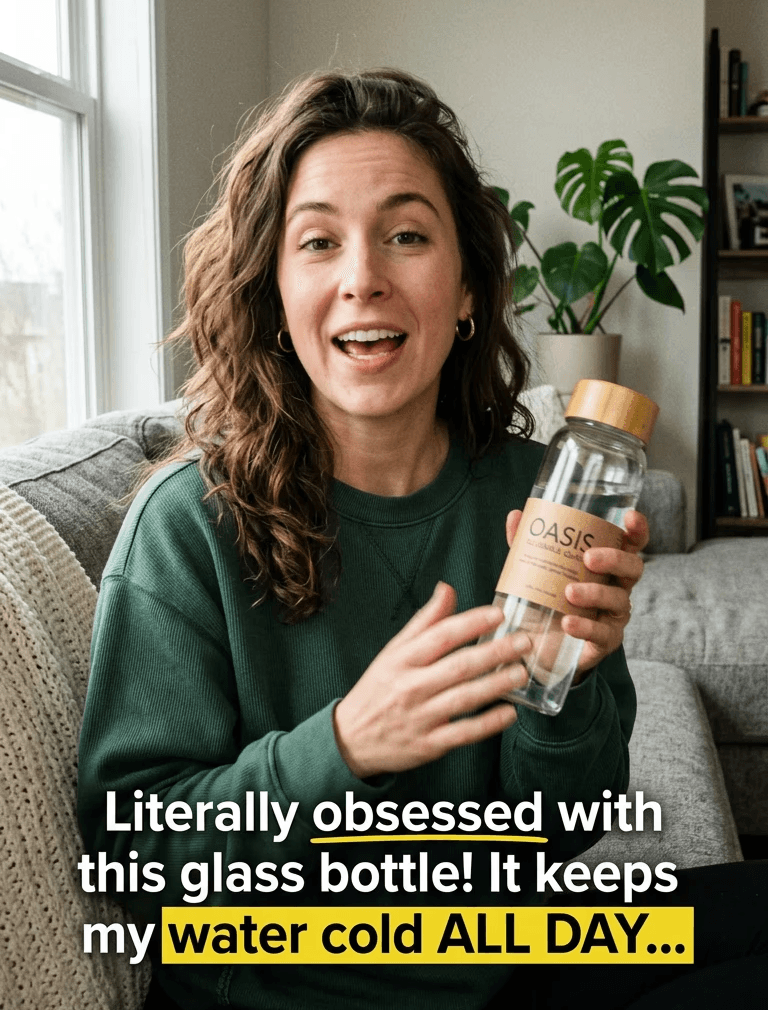
UGC-style video ads have become one of the most effective formats in modern marketing, consistently outperforming polished creative across platforms like TikTok, Instagram, and YouTube Shorts. Most teams understand this, but very few have a workflow that allows them to produce UGC consistently without slowing everything else down.
The problem is not creative. It is production.
Traditional UGC depends on either hiring creators or filming content internally. Both approaches can work, but both require time, coordination, and repeated effort. Every new idea means starting over. A new shoot, a new edit, another round of revisions. That process limits how much a team can test, and testing is where performance actually comes from.
UGC works because it feels natural. It mirrors how people talk, how they share experiences, and how they recommend products. That feeling is not created by who is on camera. It is created by how the content is structured.
Once that becomes clear, the workflow can change.
UGC Is Built Through Structure
Most high-performing UGC follows a predictable flow. There is an opening that captures attention quickly. There is a moment of explanation or demonstration that builds context. There is a clear outcome that reinforces the value of the product.
These patterns are consistent across testimonials, product demos, and reaction-style videos. Historically, the only way to create them was to film them.
Kreator removes that requirement by turning UGC into a structured process.
How UGC Videos Are Created Inside Kreator
The workflow begins with the product.
Instead of starting with a camera or a script, you start by adding your product. This can be done by uploading images, selecting from your asset library, or simply describing the product directly. The product becomes the foundation for everything that follows.
From there, the next step is selecting an actor.
Rather than relying on external creators, you choose from a library of actors (or create your own!) inside the platform. Each actor represents a different look, tone, and audience fit. This step replaces the need to source, brief, and manage creators while still allowing you to match the content to your target customer.
Once the actor is selected, the system moves into scripting.
Kreator generates a script and voiceover based on proven UGC frameworks. This is where structure becomes visible. The script is not random. It follows patterns that are designed to capture attention, communicate value, and maintain engagement. You can refine the script, adjust tone, and shape the message, but the foundation is already built.
After the script is defined, the next step is creating the scenes.
This is where the visual side of the video comes together. Kreator generates starting frames for each part of the video, designed specifically for short-form, vertical content. These frames reflect how UGC is typically consumed, with natural composition, simple environments, and a focus on clarity over polish.
Motion and pacing are guided through a motion script, which controls how the scenes transition and how the actor behaves within the video. This replaces what would normally require filming, directing, and editing.
Once the scenes are ready, the video can be generated.
At this stage, everything comes together into a complete UGC-style video, including visuals, voiceover, and timing. The output is already formatted for platforms like TikTok, Instagram Reels, and Meta, which means it is ready to be used immediately.
Where the Real Advantage Comes From

What makes this workflow different is not just that it produces a video. It is how easily the process can be repeated.
In a traditional setup, creating a second version of a UGC ad would require another round of production. With Kreator, it becomes a matter of adjusting inputs. You can change the actor, refine the script, alter the tone, or update the product positioning.
This removes the biggest constraint in UGC production, which is the cost of iteration.
Instead of asking whether an idea is worth filming, teams can simply create it and see how it performs.
From Production to Iteration
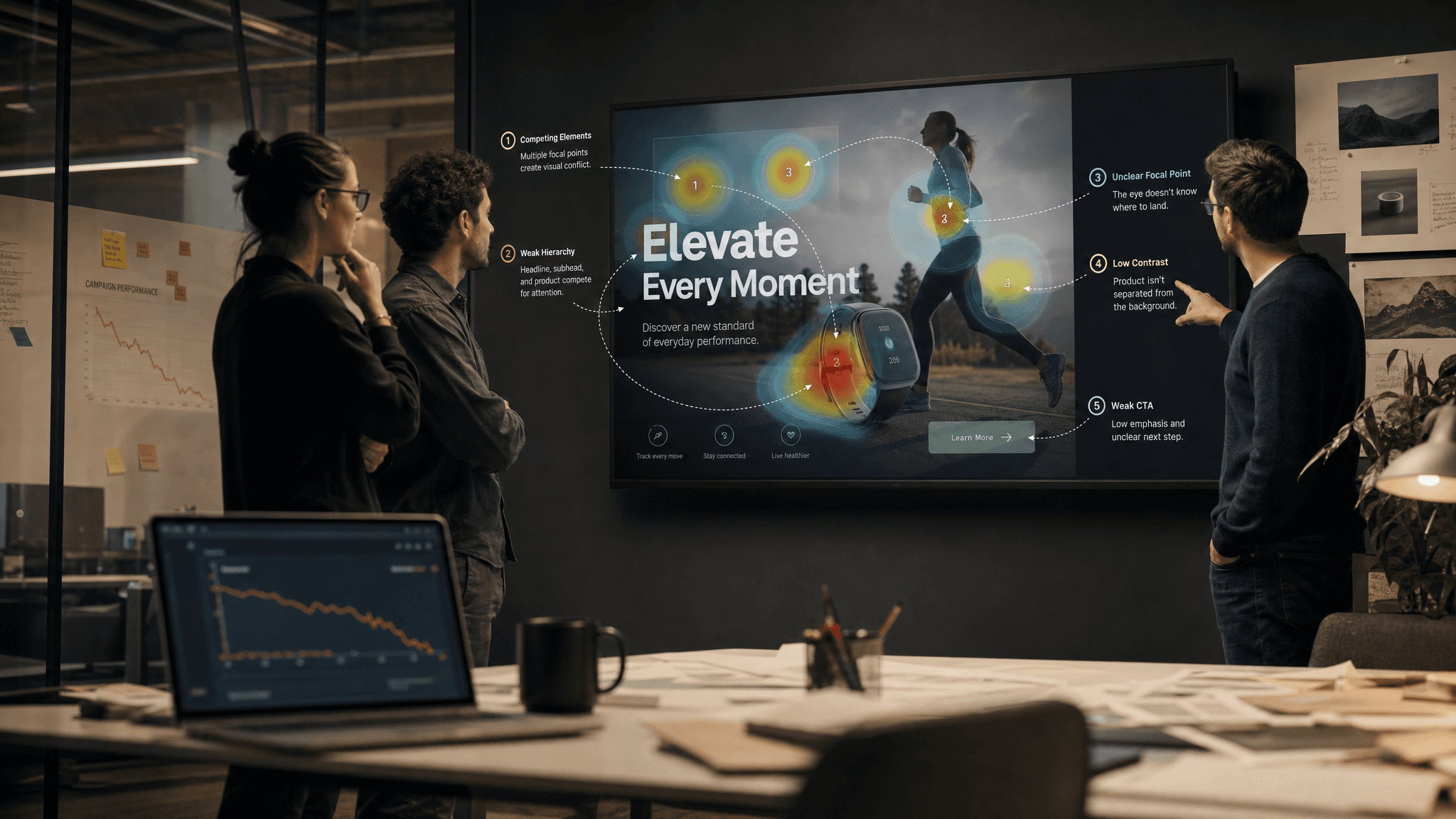
UGC performs best when it is part of a continuous feedback loop. Content is created, tested, and refined based on real performance data. The faster that loop runs, the better the results.
Traditional workflows slow that loop down because production sits in the middle of every iteration. AI-driven workflows remove that barrier by making production part of the system rather than a separate effort.
This allows teams to focus on what actually matters, which is identifying the messaging, structure, and format that resonates with their audience.
A New Way to Think About UGC
What this ultimately changes is how UGC fits into a marketing strategy.
Instead of being a resource-intensive task, it becomes a repeatable system. Teams can generate content, test it, and refine it continuously without being limited by filming, editing, or creator coordination.
UGC has always worked because it aligns with how people naturally engage with content. Kreator makes it possible to produce that type of content on demand, using structure instead of production as the foundation.
When production is no longer the bottleneck, the advantage shifts to the teams that can learn the fastest.