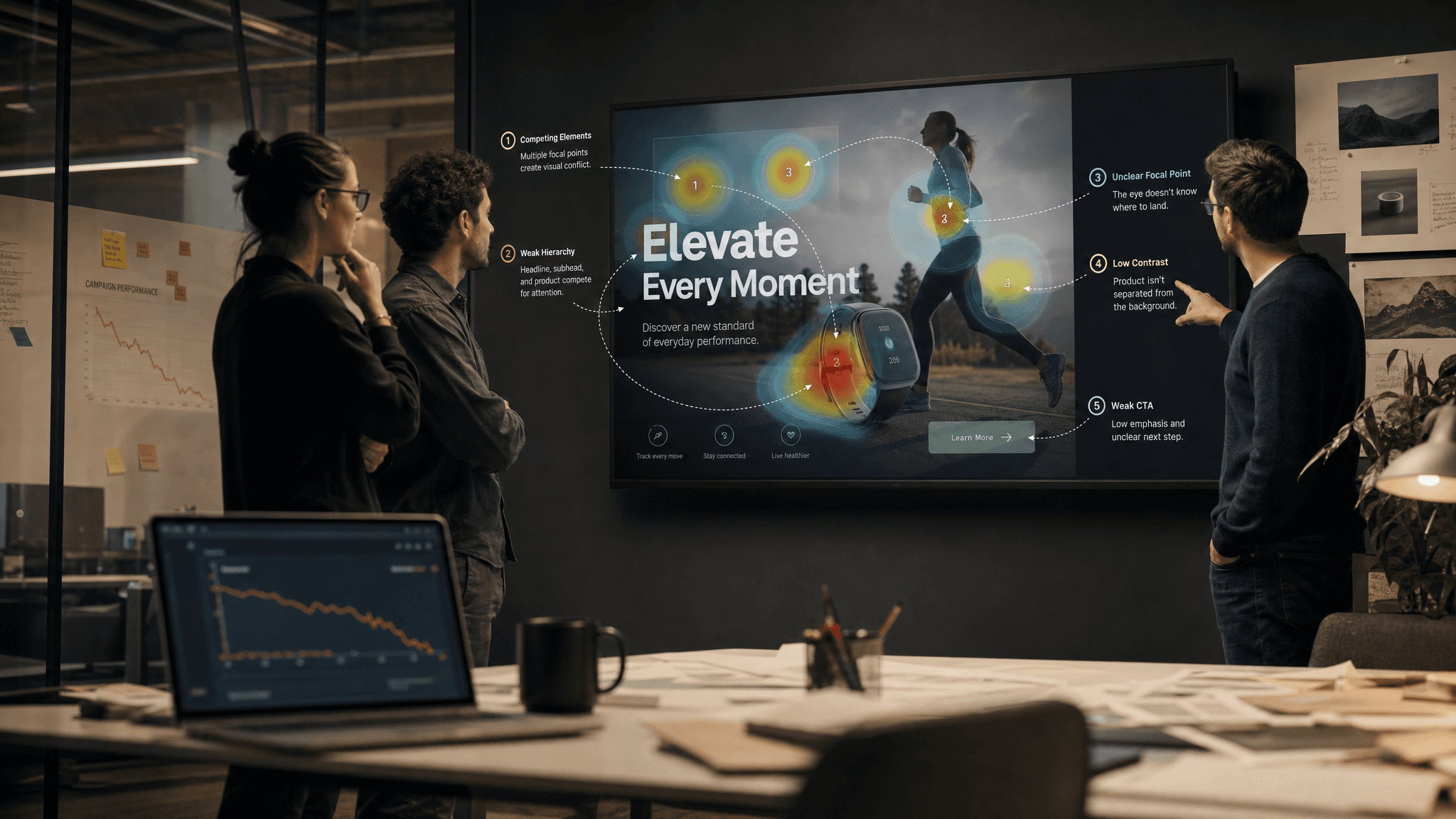
Why Most Marketing Teams Don't Test Enough Creative
How Virtual Actors and Voices are Helping Marketing Teams Test More Ideas
The Most Expensive Part Of Content Creation Isn't Production
Ask most marketers why content creation is expensive and you'll hear a familiar list of answers.
Production costs. Video editing. Talent. Equipment. Agencies. Freelancers.
For years, those were the biggest barriers standing between an idea and a finished piece of content. If you wanted a new ad, a new product video, or a new campaign asset, you needed to coordinate people, schedules, approvals, and production resources before you could even begin testing whether the idea would work.
AI has changed much of that.
Today, creating content is easier than it has ever been. The tools are faster, more accessible, and capable of producing assets that would have required significantly more effort only a few years ago.
Yet many marketing teams still find themselves struggling to produce enough creative.
The reason is surprisingly simple.
The first version was never the real challenge.
The challenge has always been everything that comes after it.
The Hidden Cost Of Iteration
Most marketers already understand that great campaigns come from testing.
The challenge is that testing becomes expensive surprisingly quickly.
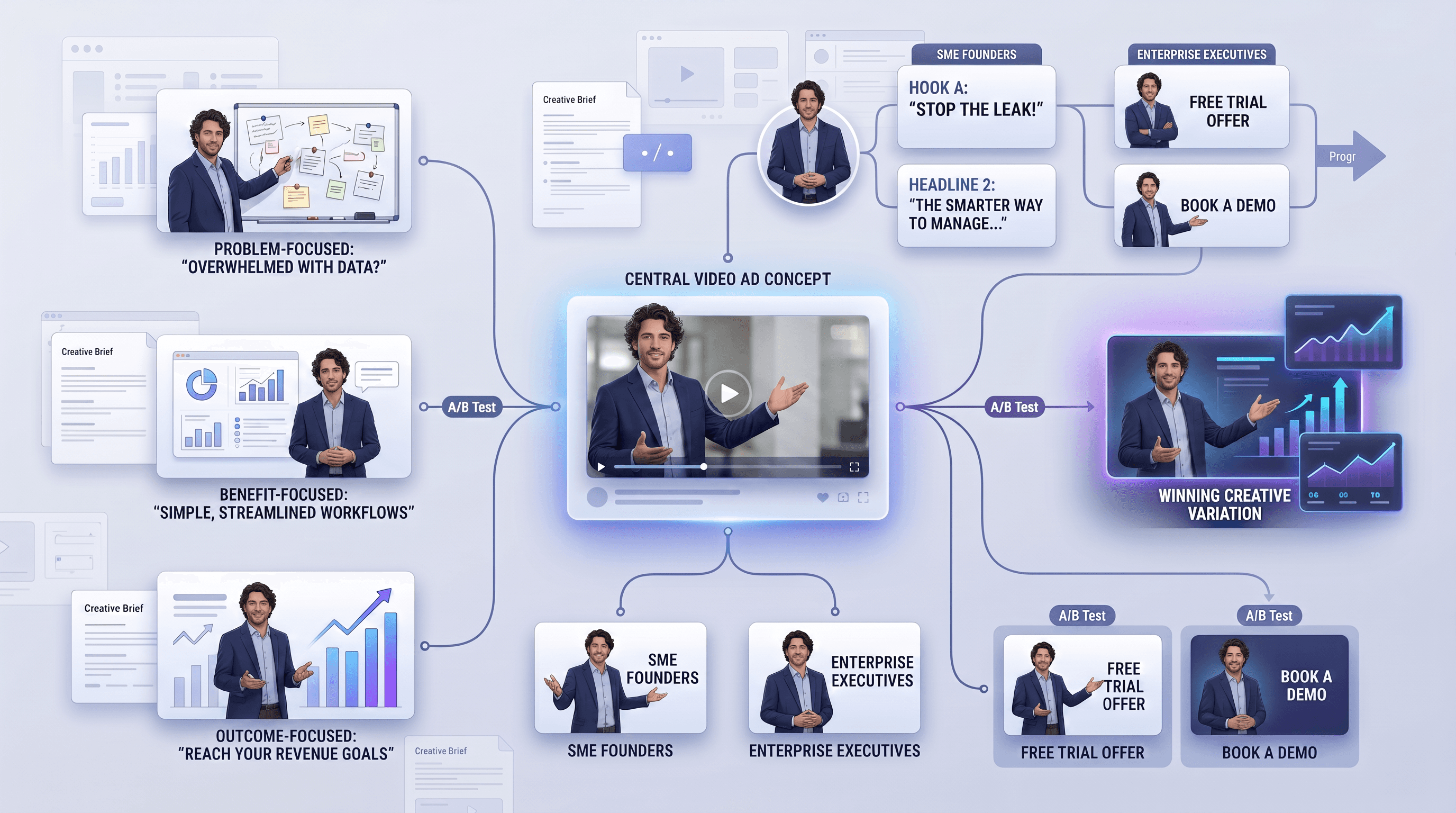
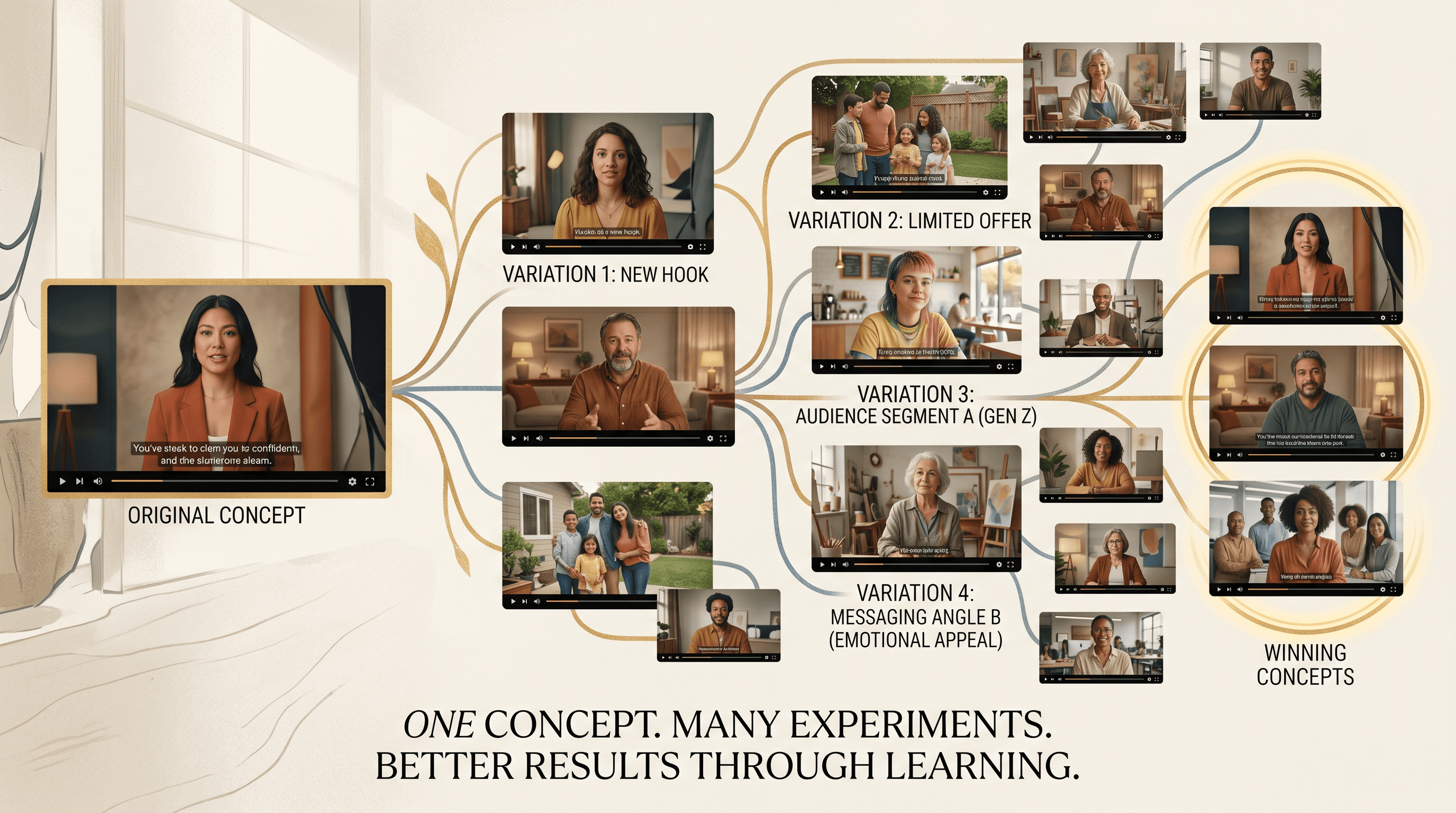
A team launches a new ad and wants to experiment with a few different hooks. Then they decide to test another audience, another offer, and another call-to-action. What started as one piece of creative suddenly becomes ten or twenty potential variations.
At that point, the problem usually isn't ideas, it's production capacity.
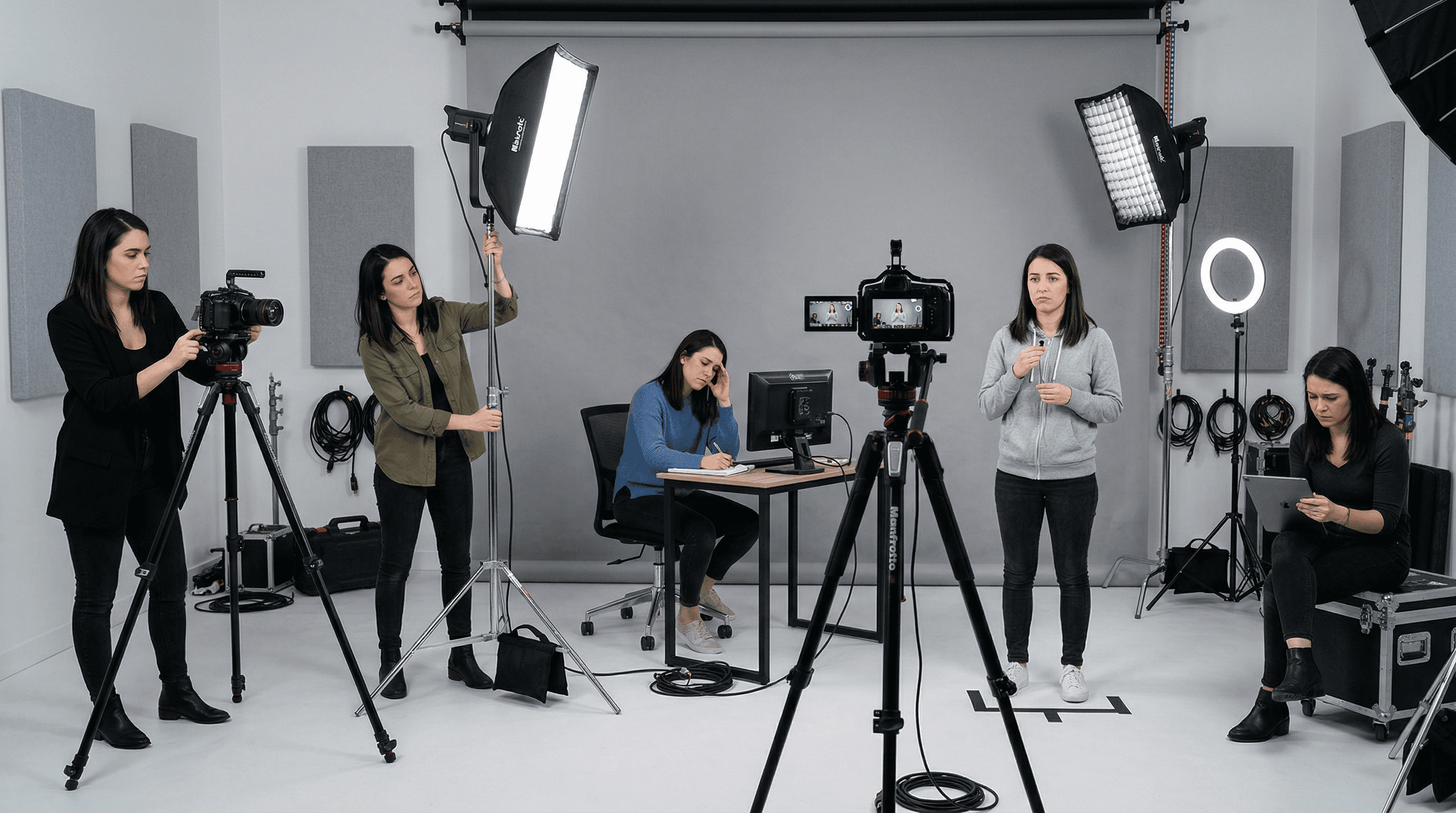
Every variation requires additional work, whether that's recording a new presenter, creating a new voiceover, editing another version, or coordinating another review cycle. Eventually, teams stop testing not because they've exhausted their ideas, but because they've exhausted their time.
The hidden cost of content creation isn't producing the first version. It's producing all the versions required to discover what actually works.
How Kreator Changes The Equation
This is where Virtual Actors and Voice Actors become more than content creation tools.
They're testing tools.
Most marketers want to experiment with:
Different hooks
Different offers
Different audience segments
Different calls-to-action
Different delivery styles
Kreator's Virtual Actors allow teams to create multiple versions of the same concept without scheduling new recordings every time. Voice Actors provide the same flexibility for narration, making it possible to explore different messages, tones, and delivery styles without rebuilding the entire production process.
Instead of spending time coordinating production, marketers can spend more time answering the question that actually matters:
Which version performs best?
Consistency Without Sacrificing Flexibility

As content volume increases, another challenge begins to emerge.
Consistency.
Most brands invest heavily in visual identity. They establish brand colors, typography, imagery, and design systems. Yet the human side of content is often much harder to standardize.
Different presenters create different experiences. Different voices create different impressions. Over time, that inconsistency can make a brand feel fragmented, even when the visuals remain consistent.
Consistency and experimentation are often treated as competing priorities. They shouldn't be.
Many teams assume that testing more creative means sacrificing brand consistency. In reality, the opposite is often true.
Virtual Actors and Voice Actors allow teams to maintain recognizable actors, voices, and delivery styles across multiple campaigns while still experimenting with different messages, offers, and audience segments. The content changes. The brand experience remains familiar.
That balance between consistency and flexibility is often what allows content operations to scale successfully.
A Simple 15-Minute Experiment In Kreator
If you want to experience this shift firsthand, don't start by creating something entirely new.
Start with a product, offer, or campaign you've already created.
Create three versions:
Version 1: Lead with the problem
Version 2: Lead with the benefit
Version 3: Lead with the outcome
Then:
Use a different Virtual Actor for each version
Test different Voice Actors or delivery styles
Keep the product and offer consistent
You're not trying to create three completely different ads.
You're trying to identify which angle creates the strongest response.
The beauty of this approach is that you're spending your time testing ideas instead of rebuilding production assets. Kreator's Virtual Actors can be reused across ads, UGC-style videos, and product content, making it easy to adapt content without starting over.
The goal isn't more content. The goal is faster learning.
The teams that get the most value from Virtual Actors and Voice Actors tend to use them as experimentation tools first and production tools second.
What This Means For Marketers
AI has reduced the cost of creating the first version.
Iteration is now the bigger challenge.
Testing requires more variations than most teams can realistically produce.
Production friction often limits experimentation.
Virtual Actors and Voice Actors make testing faster, easier, and more scalable.
Key Takeaway: The teams that learn fastest usually outperform the teams that simply produce the most content.
Final Thought
For years, marketers viewed content creation primarily as a production challenge.
Get the video recorded, the voiceover finished, the final asset delivered.
Increasingly, those aren't the activities creating the biggest bottlenecks.
The real challenge is iteration.
How quickly can you test a new idea?
How quickly can you adapt a message?
How quickly can you learn what resonates with your audience?
The teams that win won't necessarily be the ones producing the most content. They'll be the ones learning the fastest.
In a world where creating the first version is easier than ever, the advantage increasingly comes from how quickly you can test the next one.
That's where the real cost of content creation now lives. And increasingly, it's where the biggest opportunities exist.