We Tested Every Image Model in Kreator Using the Same Prompt. Here’s What Actually Happens.
See how each image model performs in real scenarios and where it actually fits in your workflow.
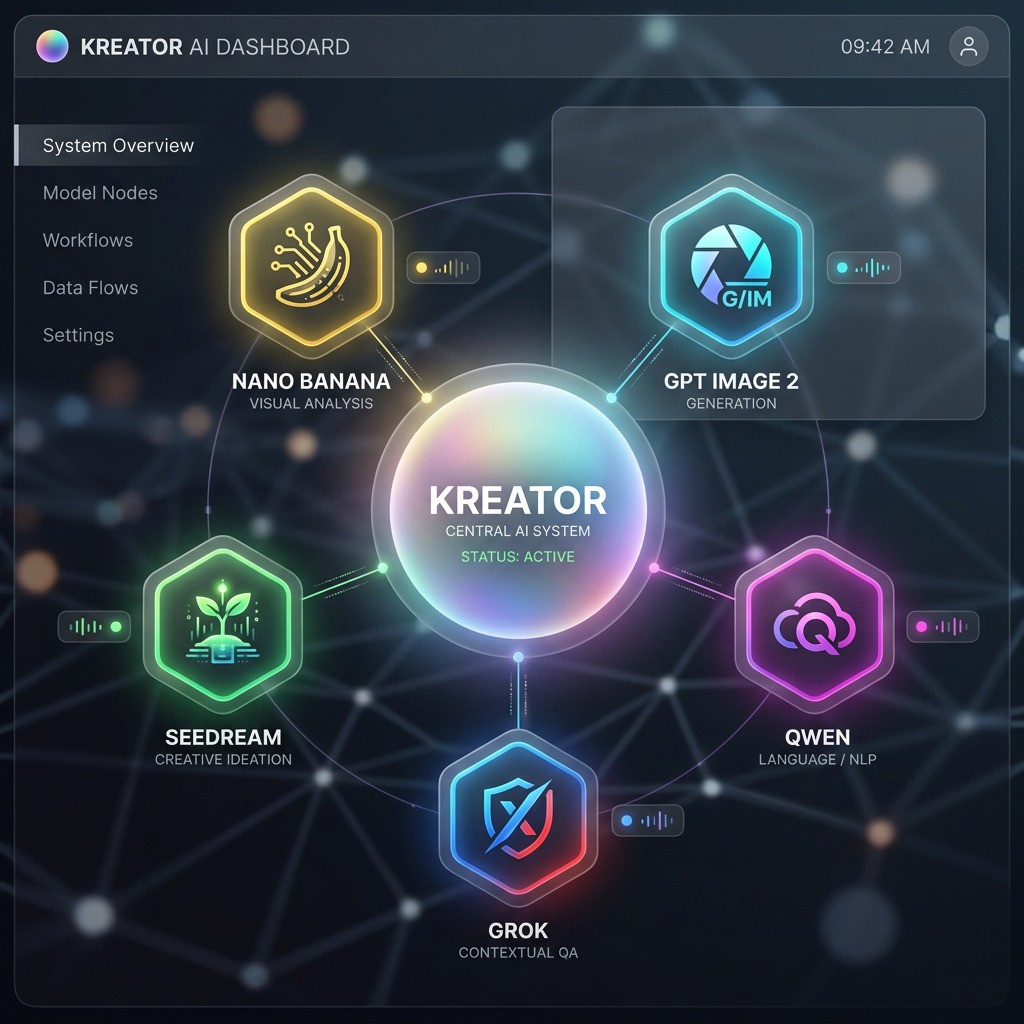
If you’ve spent any time inside Kreator, you’ve probably noticed there isn’t just one image model to choose from. At first, that can feel unnecessary or at the very least, confusing. If they all generate images, why not just use one and move on? But the moment you start creating real content, especially at any kind of scale, the differences start to show up. Some outputs feel polished and ready to use. Others are close but not quite there. Some handle text cleanly. Others fall apart the moment words are introduced. And without a clear way to think about it, choosing a model quickly turns into trial and error.
Instead of guessing, we decided to run a controlled test. Every model inside Kreator was given the exact same prompts, across the same categories, with no adjustments. The goal was not to crown a winner, but to understand how each model behaves and where each one actually fits in a real marketing workflow.
How We Tested
The structure was intentionally simple. We used the same prompts, the same product, the same product reference image, and generated a single output per model. There were no regenerations, no edits, and no tuning between runs. The idea was to reflect what a user would realistically experience on a first pass. Each model was tested across four common use cases: lifestyle imagery, close-up faces, ad creatives with text, and clean product shots. These scenarios map directly to how marketing teams actually use creative, whether that is for ads, landing pages, or product detail pages.
Category Testing
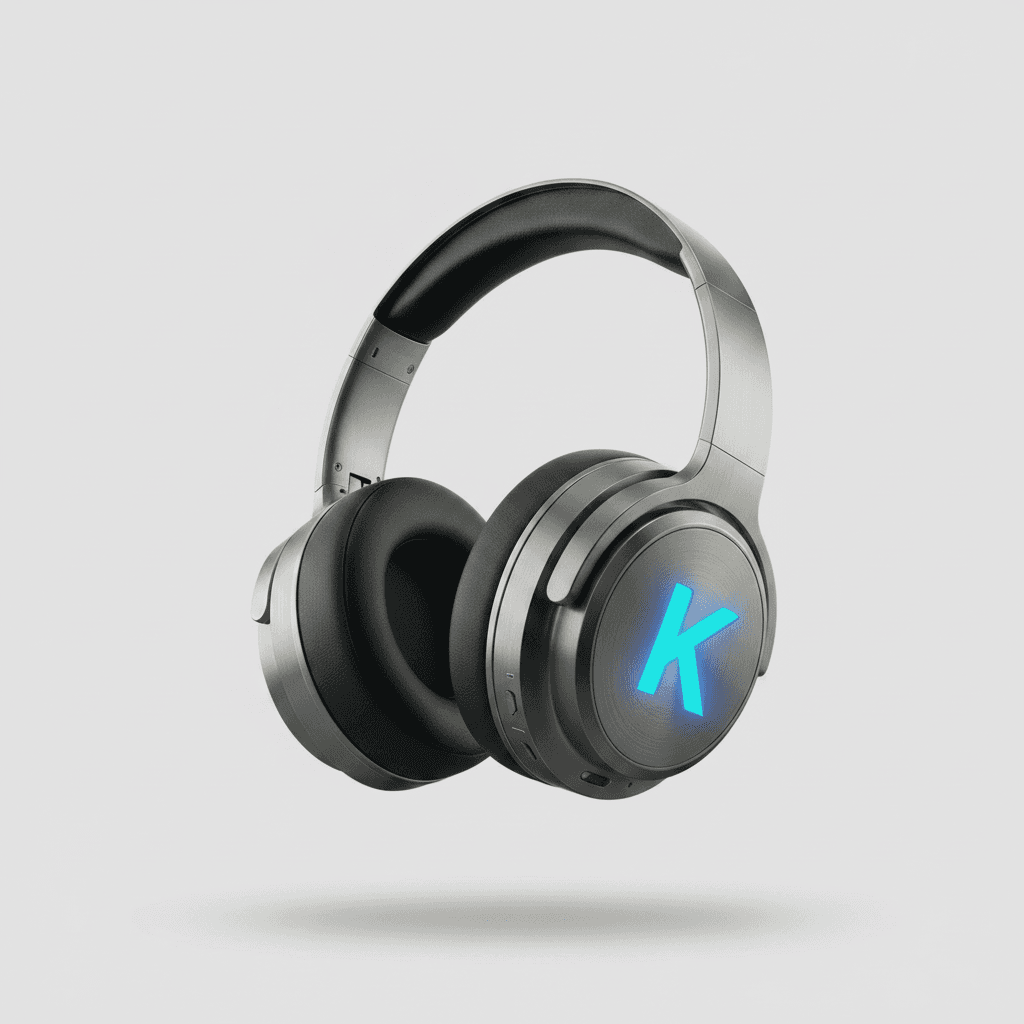
Product Reference Image
Category 1 — Lifestyle
What This Tests
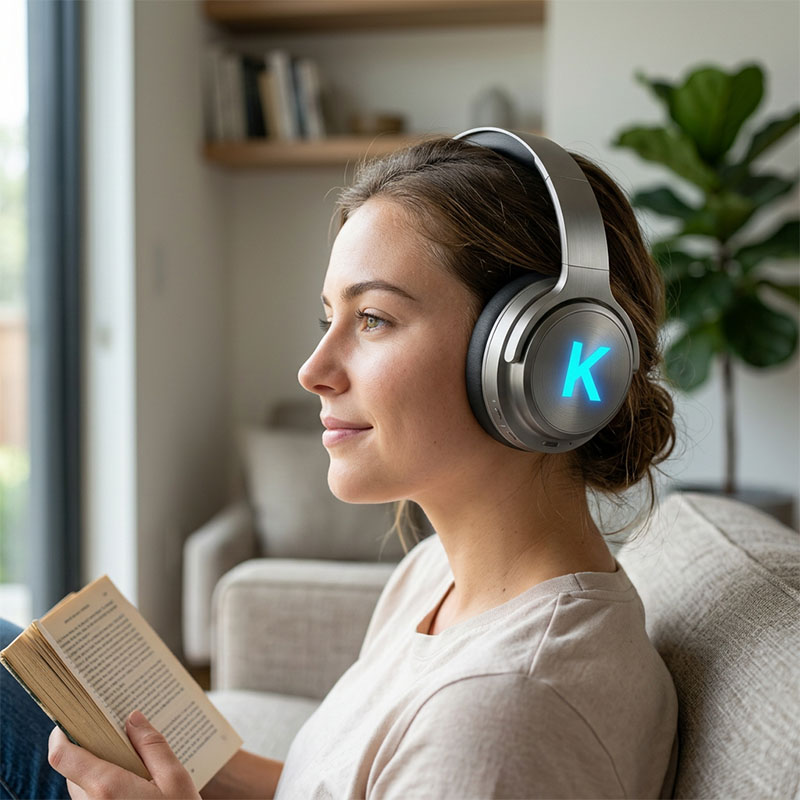
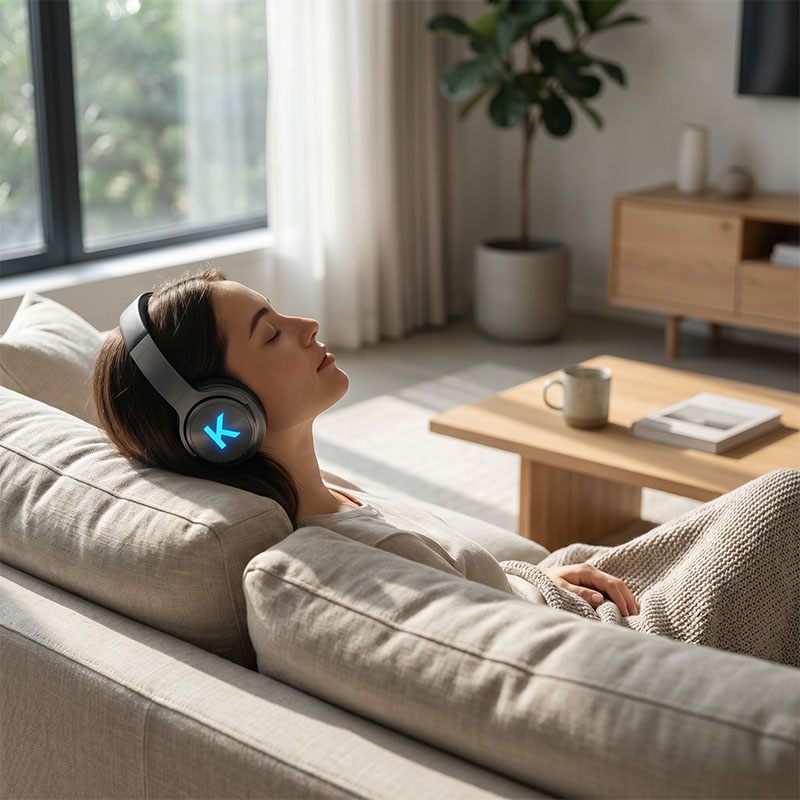
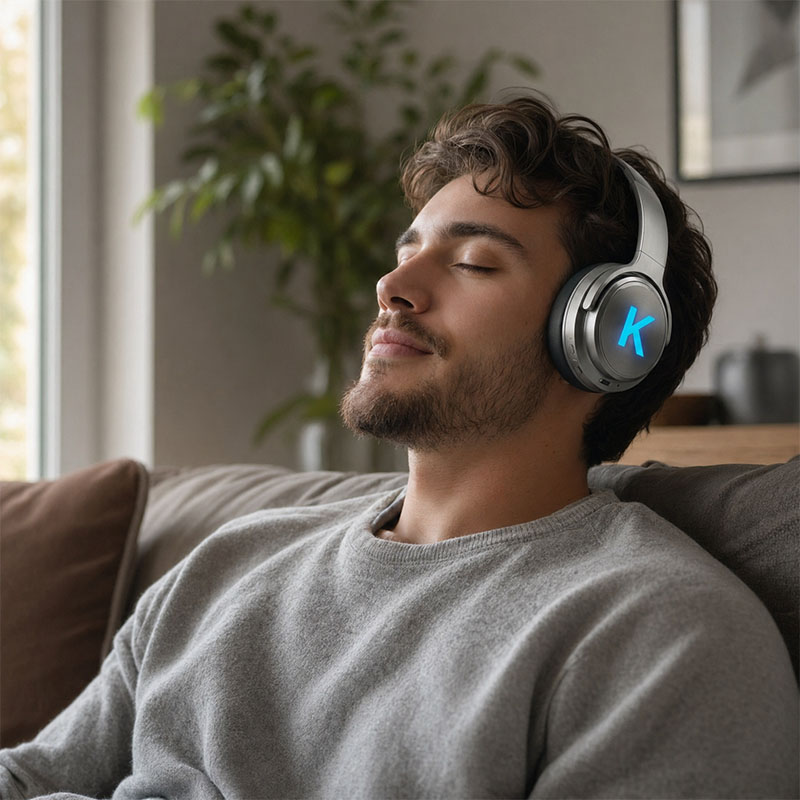
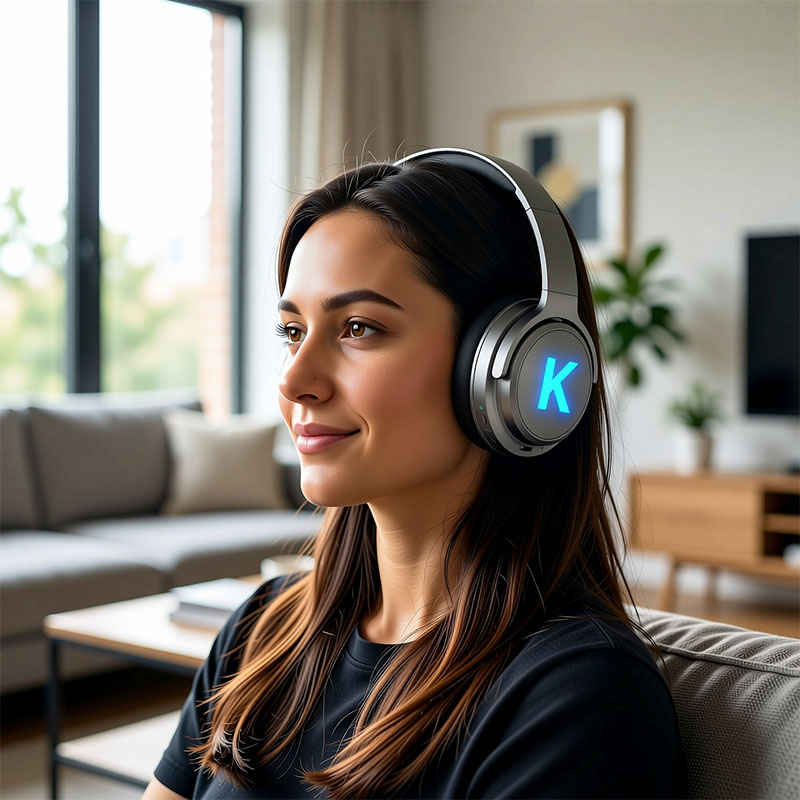
This category looks at how well a model can create a believable scene. It is not just about the subject, but how the subject fits into the environment.
Prompt
A person using premium wireless over-ear headphones in a modern living room, natural daylight coming through a window, relaxed candid moment, shallow depth of field, highly realistic photography, soft shadows, DSLR quality, clean composition. Aspect Ratio 1:1
Outputs
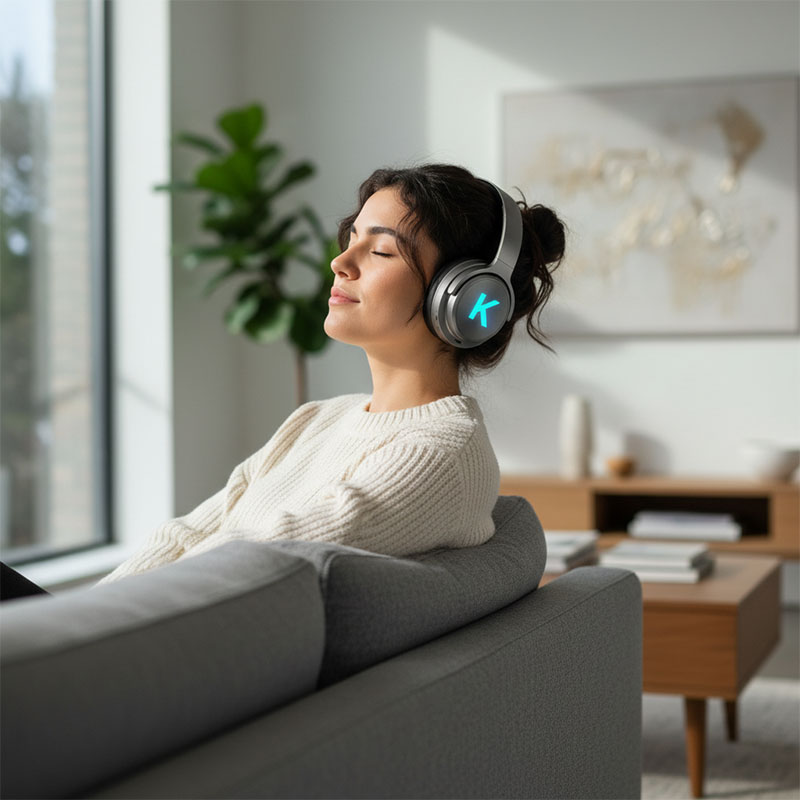
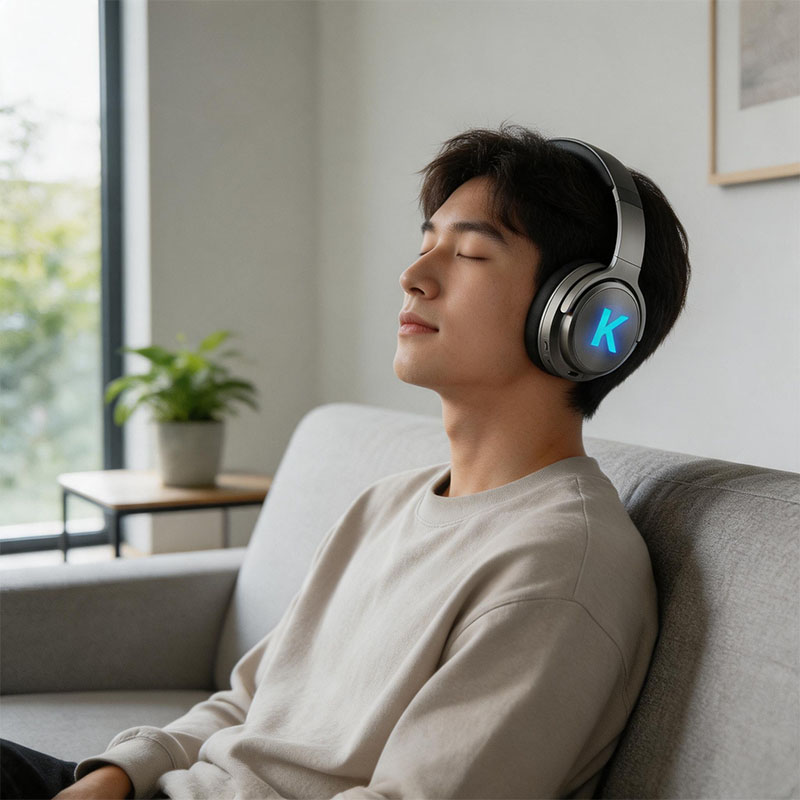
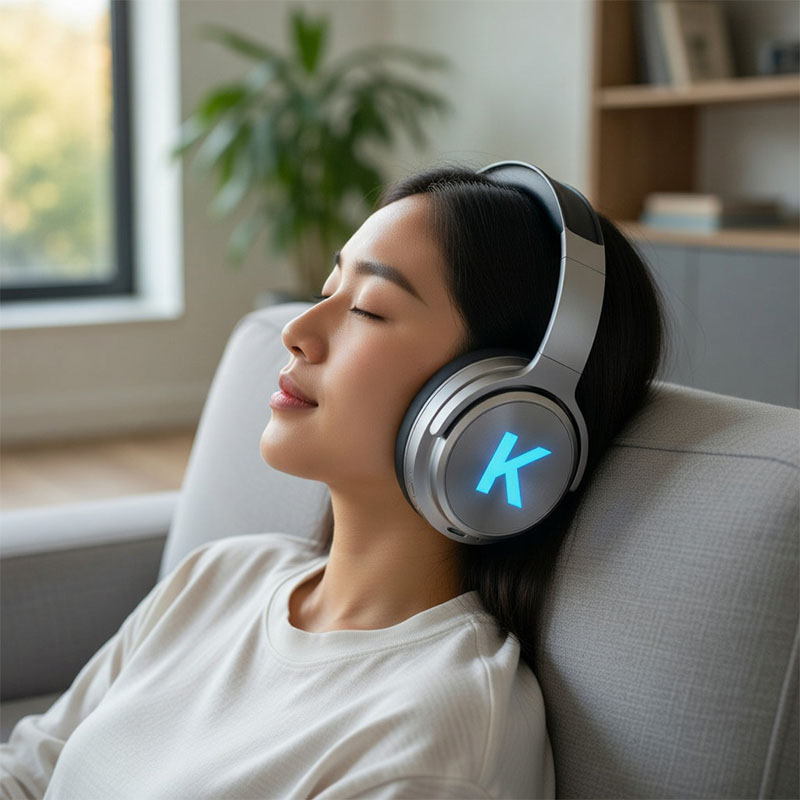
What We Noticed
All models produced usable lifestyle scenes
Lighting and composition were generally correct across the board
Differences appeared in depth and refinement, not correctness
Stronger outputs had better subject separation and more natural lighting
Weaker outputs felt flatter and slightly less dimensional
Where Models Actually Differ
Depth and realism are the main separators
Lighting transitions feel more natural in higher-quality outputs
The gap is subtle compared to other categories
Model Callouts
GPT Image 2 → most refined lighting and depth
Nano Banana Pro / 2 → very close, slightly less polished
Nano Banana → simpler, but still usable
Qwen → clean, slightly more constructed feel
Seedream → slightly more stylized
Grok → comparable, no major strengths or weaknesses in this category
Category 2 — Faces
What This Tests
This category focuses on realism. Faces are one of the fastest ways to identify whether an image feels real or artificial.
Prompt
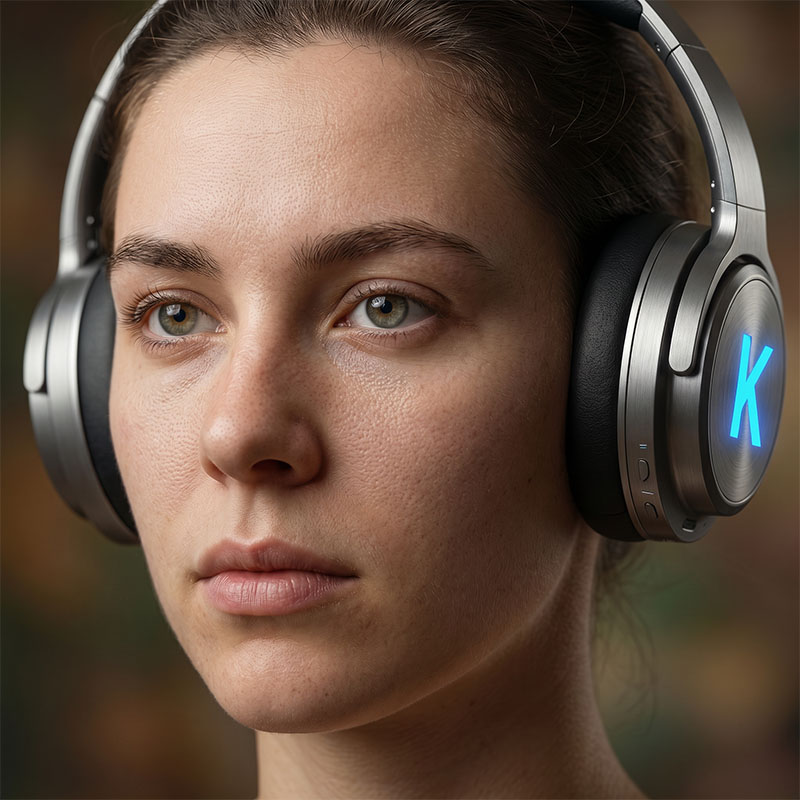
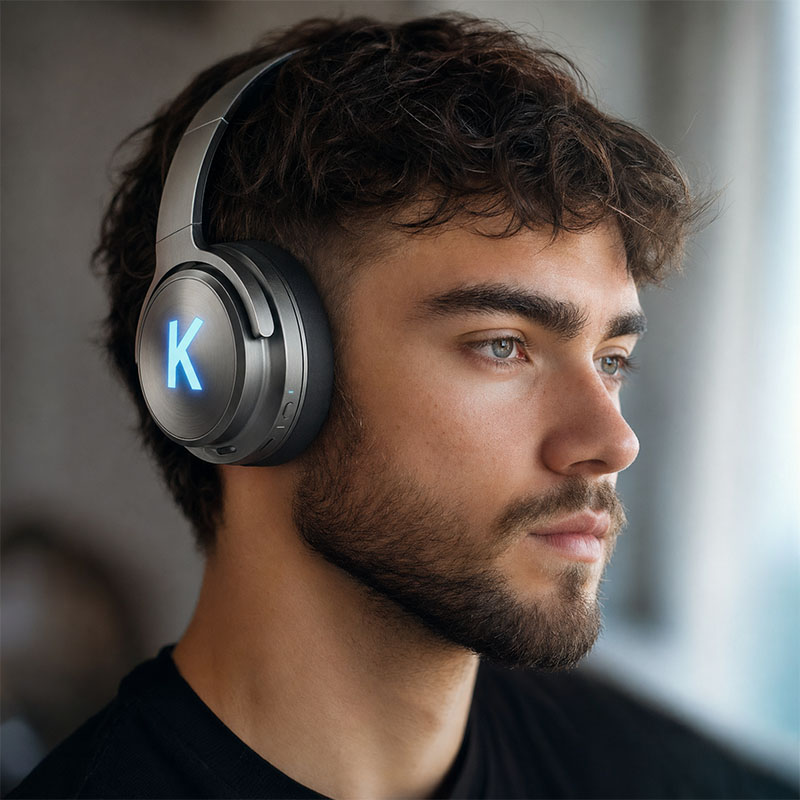
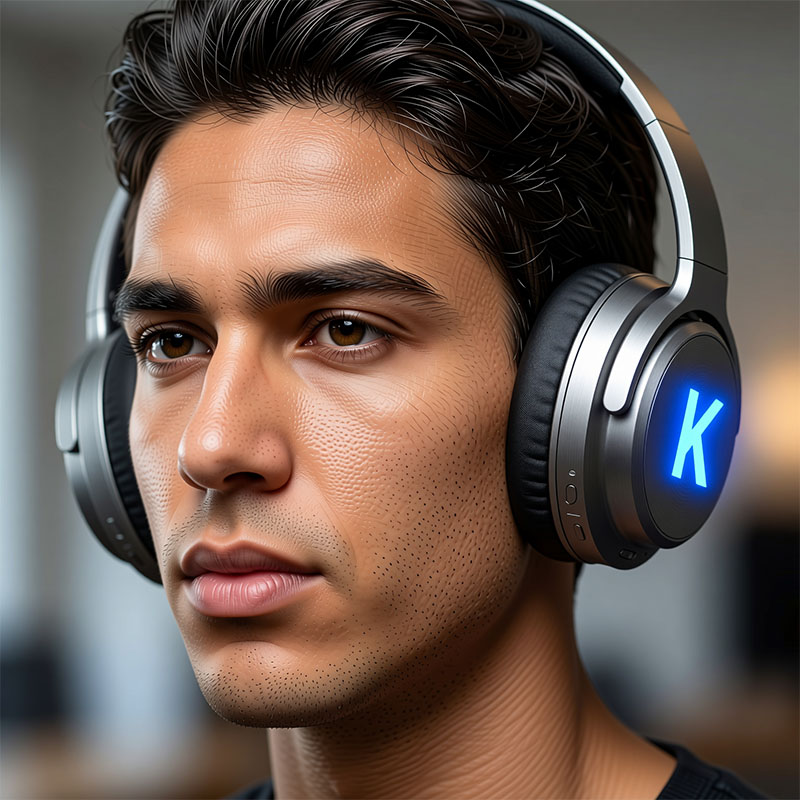
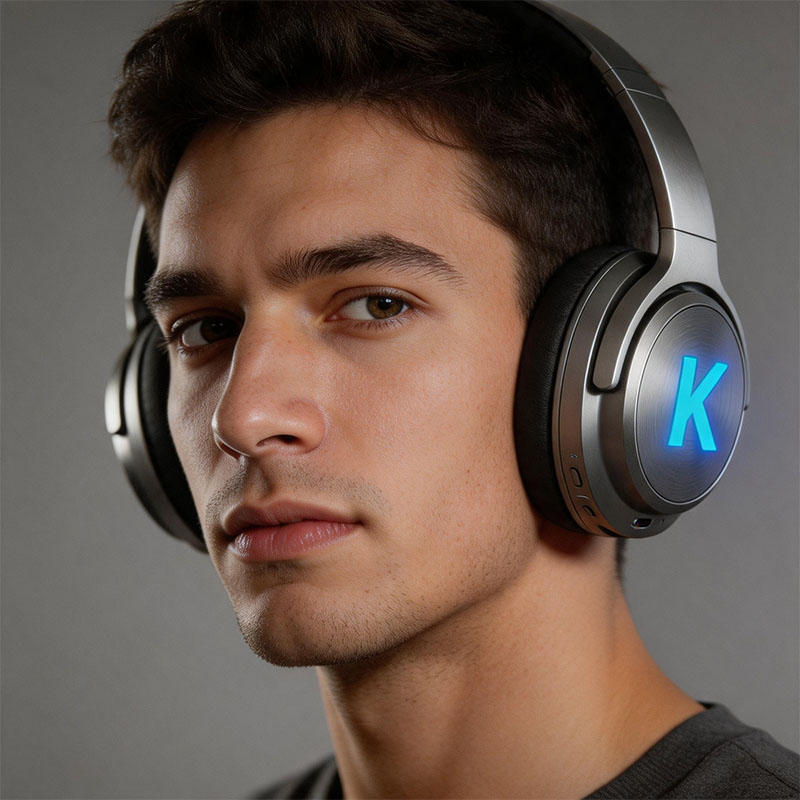
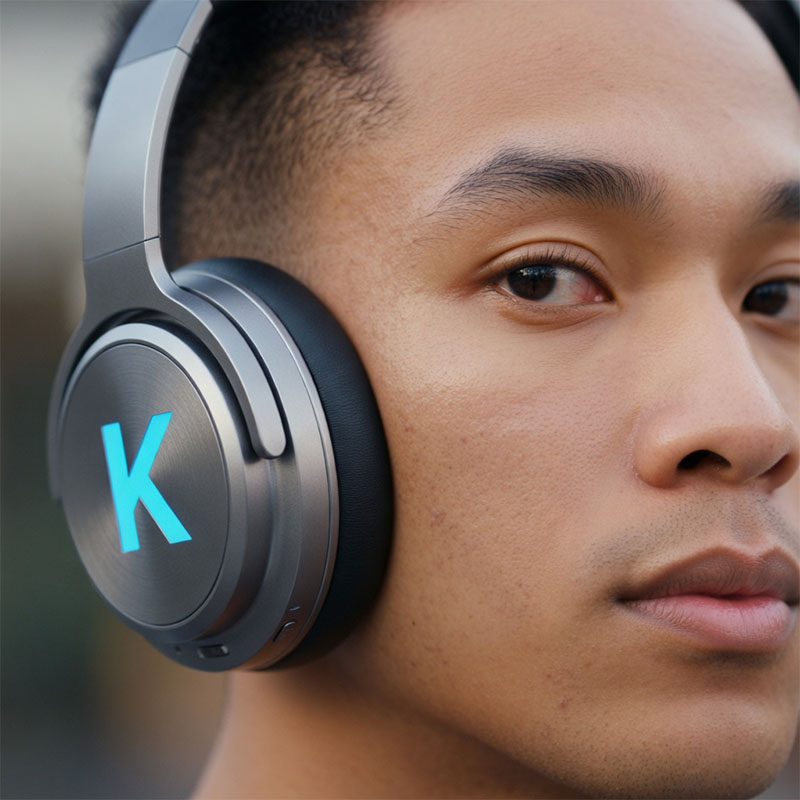
A close-up 85mm portrait of a young adult wearing premium wireless over-ear headphones. Extremely detailed skin texture, natural soft lighting, razor-sharp focus on eyes and headphone texture, realistic facial features, professional photography, shallow depth of field, blurred background.
Outputs
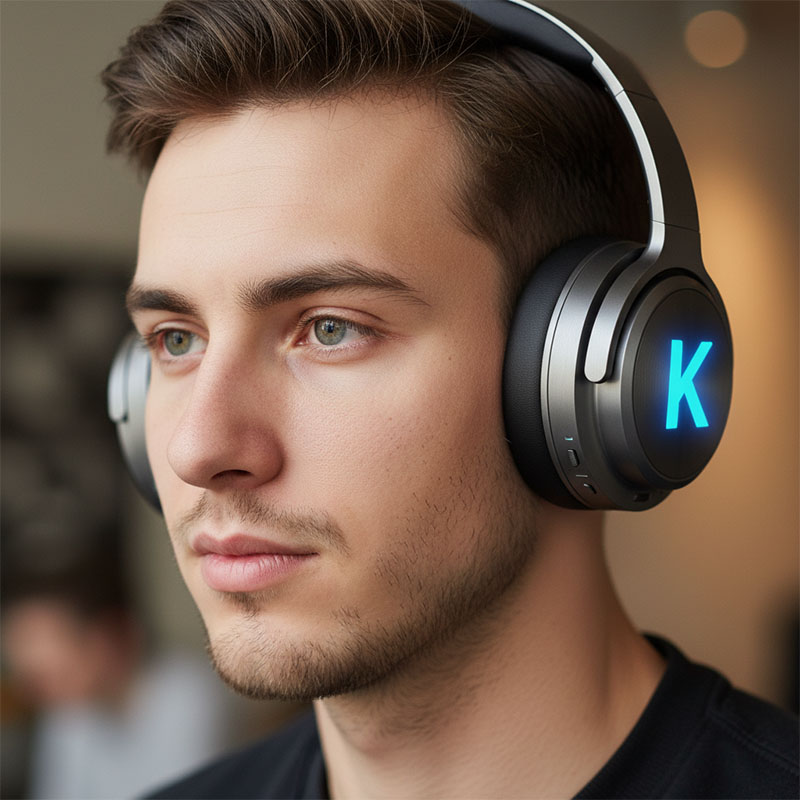
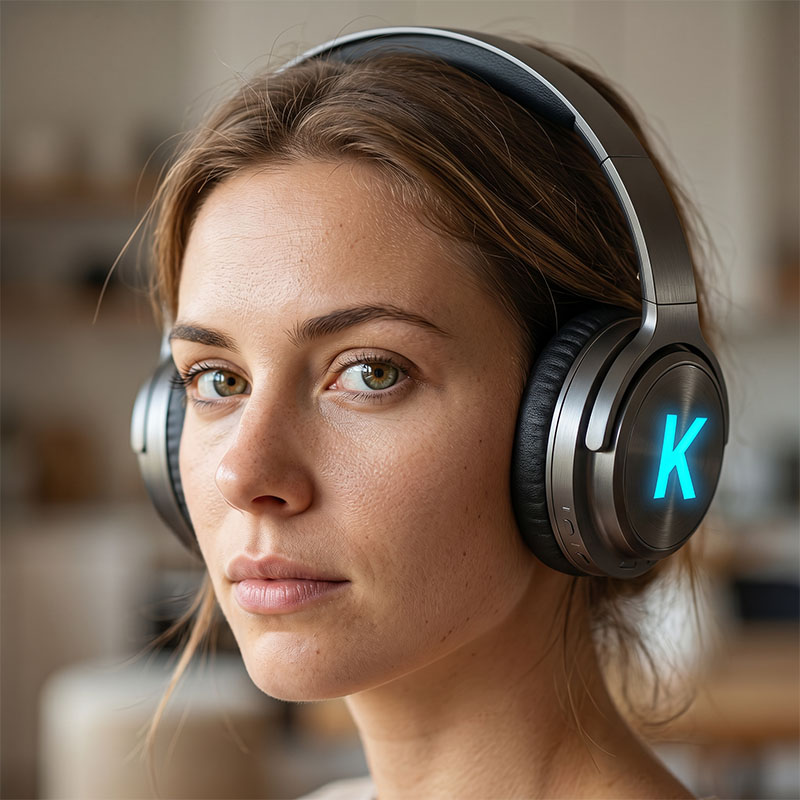
What We Noticed
Clear differences in realism between models
Stronger outputs showed natural skin variation and consistent lighting
Weaker outputs showed over-smoothed or uniform skin
Small inconsistencies became immediately noticeable
This category exposed weaknesses faster than any other
Where Models Actually Differ
Skin texture and facial detail are the main separators
Realism is uneven across models
Some outputs feel photographic, others clearly synthetic
Model Callouts
GPT Image 2 → strongest realism and consistency
Nano Banana Pro / 2 → strong, slightly less refined
Nano Banana → softer detail
Qwen → clearly the most artificial in this set
Seedream → more stylized, less realism-focused
Grok → usable, but less consistent in fine detail
Category 3 — Text
What This Tests
This category measures whether a model can generate usable marketing creative. It is not just about layout, but whether the text actually works.
Prompt
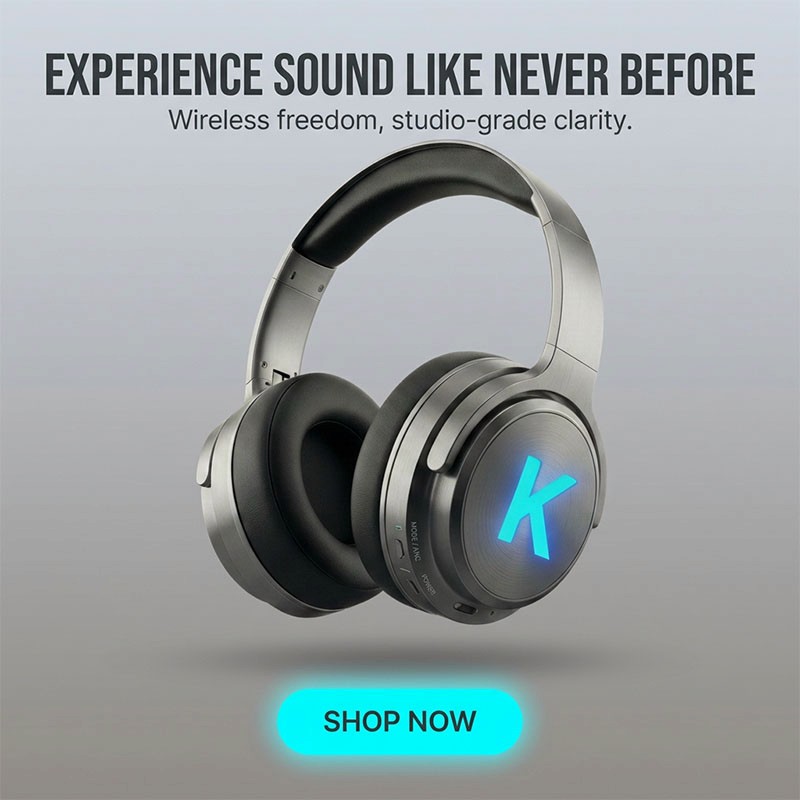
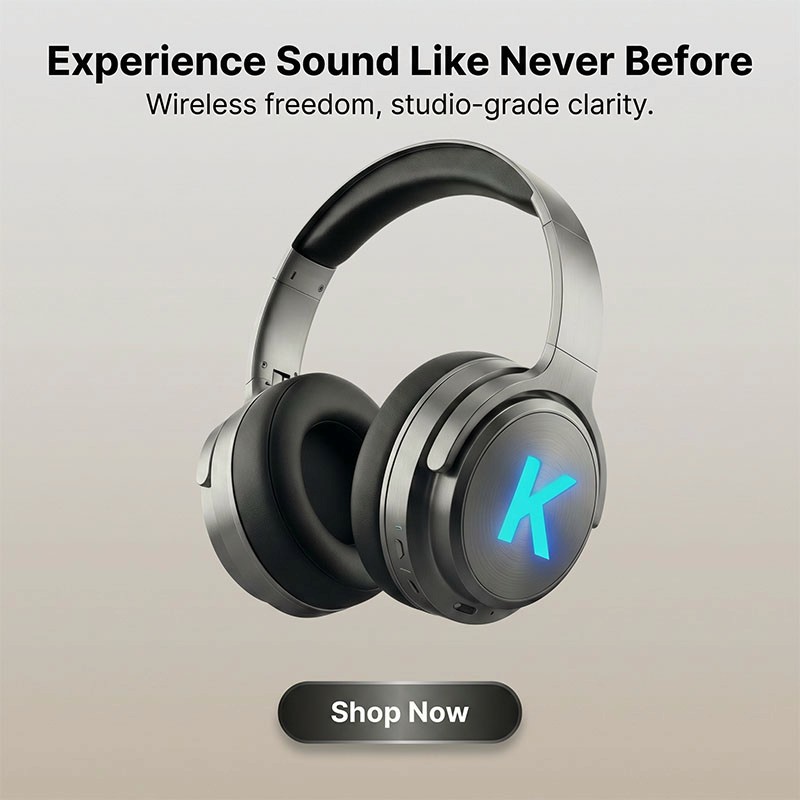
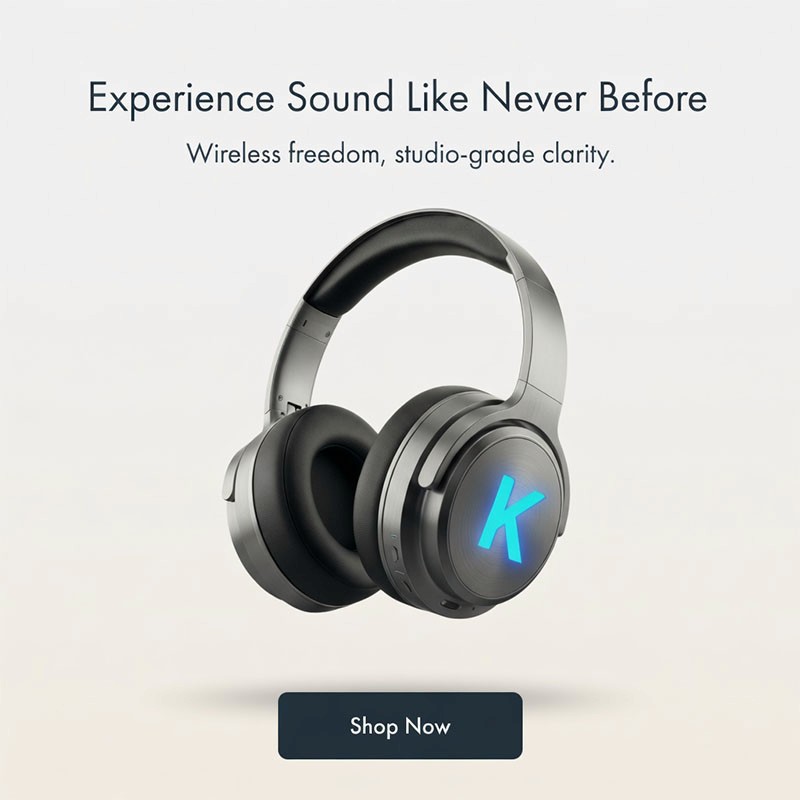
A professional commercial advertisement layout featuring premium wireless over-ear headphones centered.
Typography: > - Headline: 'Experience Sound Like Never Before' (Bold, large, top-aligned)
Sub-headline: 'Wireless freedom, studio-grade clarity.' (Smaller, clean, centered below headline)
CTA Button: 'Shop Now' (Placed clearly at the bottom)
Composition: Minimalist design, soft neutral gradient background, professional high-end advertising aesthetic, sharp focus on product and text, commercial photography.
Outputs




What We Noticed
All models created layouts that resembled ads
Only some produced text that was clean and usable
Stronger outputs maintained readable text and clear structure
Weaker outputs introduced inconsistencies or unclear hierarchy
Small issues made the entire image unusable
Where Models Actually Differ
Text accuracy is the main separator
Layout structure and hierarchy matter as much as readability
This is a binary category. The text either works or it does not
Model Callouts
GPT Image 2 → strongest text clarity and structure
Nano Banana Pro / 2 → usable, slightly less consistent
Nano Banana → less reliable for final output
Qwen → clean and structured, but rigid
Seedream → more design-focused than functional
Grok → most inconsistent text rendering
Category 4 — Product
What This Tests
This category focuses on precision. It looks at whether a model can produce clean, consistent, and realistic product imagery.
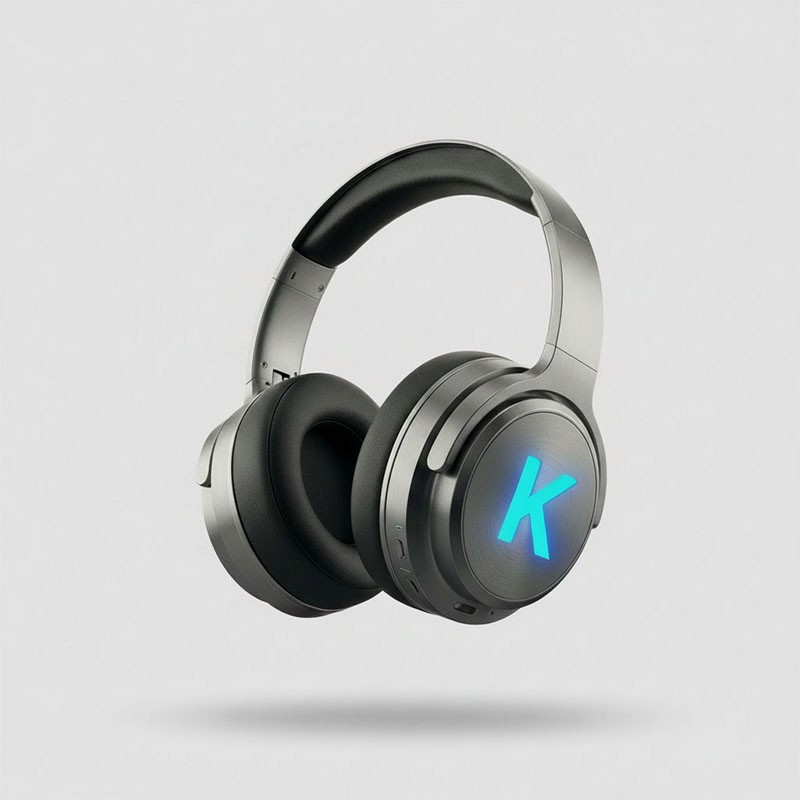
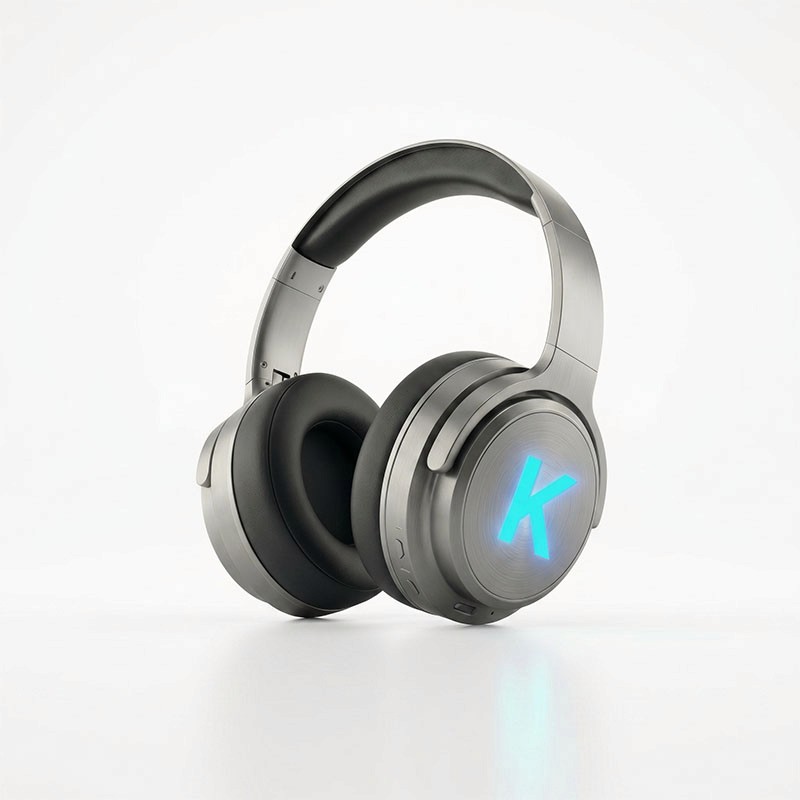
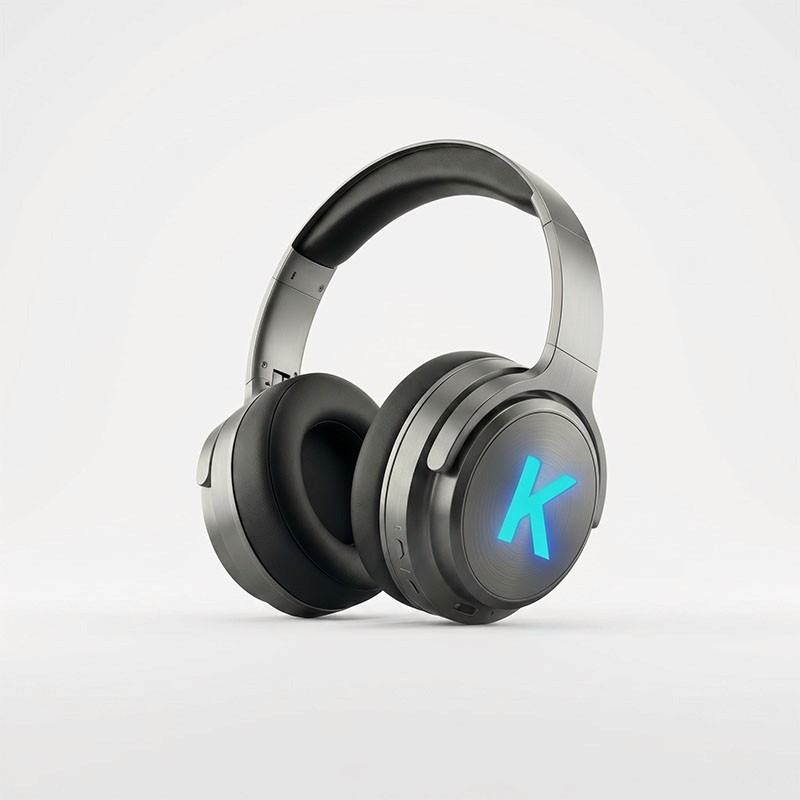
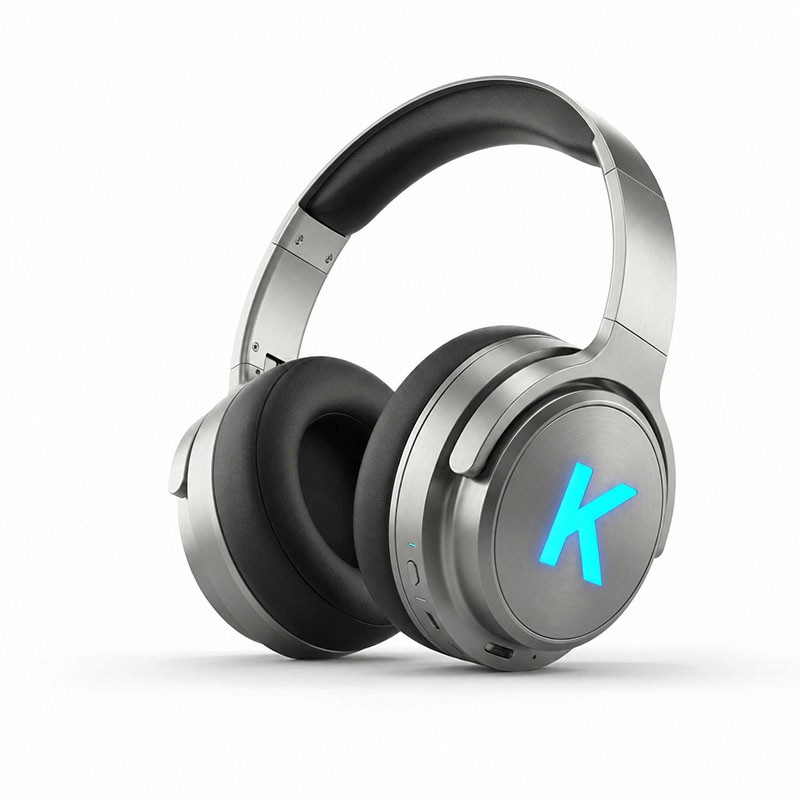
Prompt
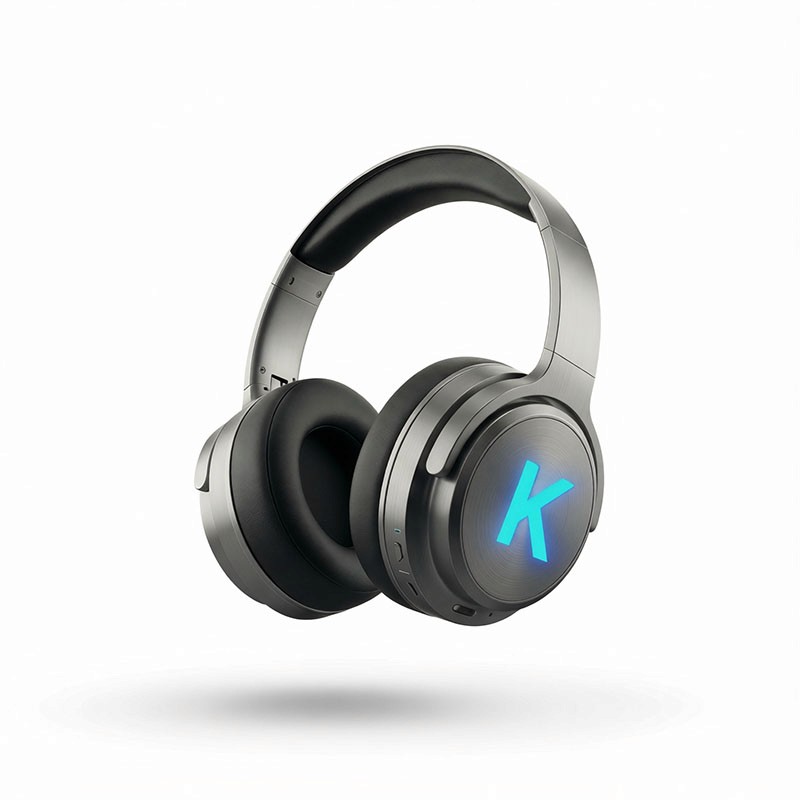
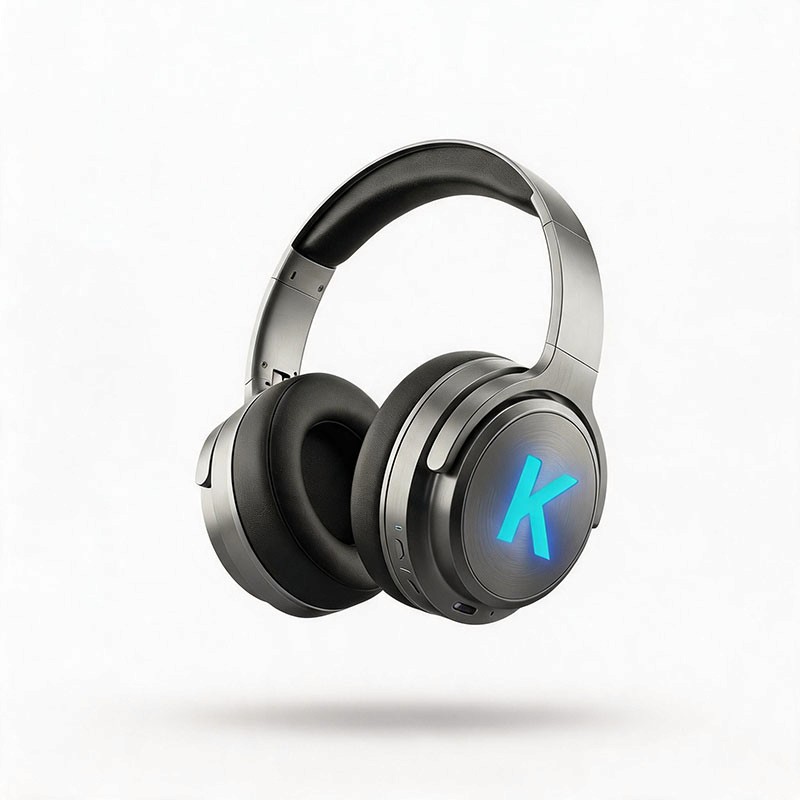
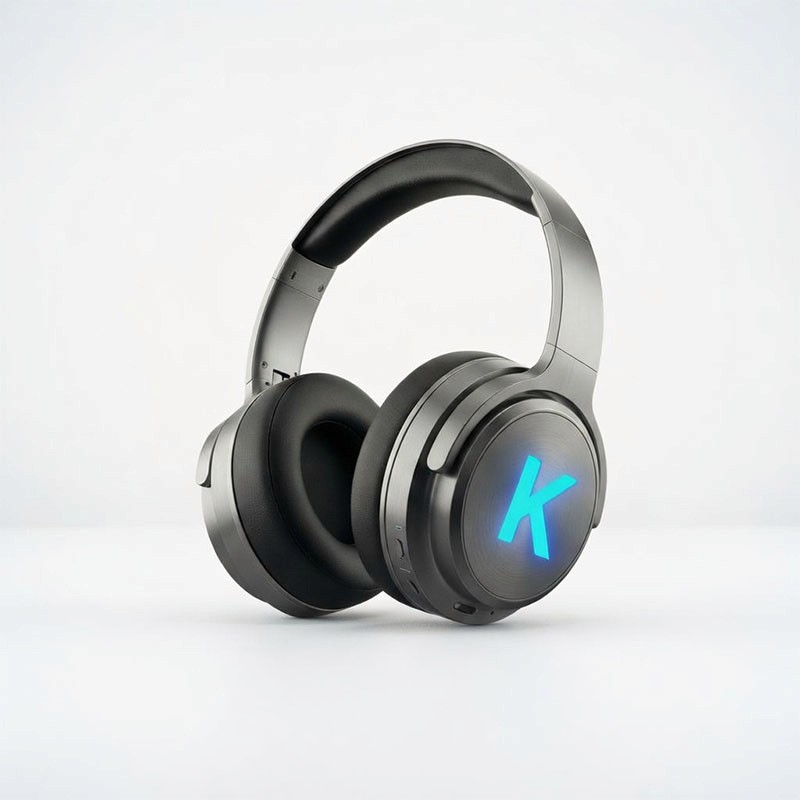
A professional high-key studio product photo of premium wireless over-ear headphones, placed on a clean white seamless background. Soft diffused lighting, subtle contact shadows, ultra-realistic, high detail, commercial photography, high resolution.
Outputs
What We Noticed
All models produced strong product images at a glance
Differences appeared in materials, edges, and structure
Stronger outputs maintained sharper detail and more realistic reflections
Weaker outputs showed slight softness and less defined materials
No model failed, but not all reached production-ready quality
Where Models Actually Differ
Material realism and edge clarity are the main separators
Structural consistency matters more than composition
Differences are subtle but important for real-world use
Model Callouts
GPT Image 2 → most consistent and refined
Nano Banana Pro / 2 → very close, slightly less polish
Nano Banana → acceptable but less precise
Qwen → clean but slightly artificial feel
Seedream → more stylized than realistic
Grok → slightly less consistent in detail
Full Model Breakdown
Nano Banana is designed for speed. It generates simple outputs quickly, making it useful for testing ideas, but it lacks the consistency needed for final creative.
Nano Banana 2 improves clarity and reliability. It is better suited for producing content at scale when you need more consistency without increasing cost too much.
Nano Banana Pro strikes a balance. It delivers strong, consistent outputs while still maintaining efficiency, making it a practical option for production workflows.
GPT Image 2 is the most reliable across all categories. It consistently produces higher-quality results, especially in areas like faces and text, which makes it the best choice for final creative.
Qwen focuses on structure and control. Its outputs are clean and consistent, but can feel less natural in certain scenarios, especially when realism is the goal.
Seedream leans into style and visual identity. It is better suited for creative exploration than precise execution.
Grok is flexible but less predictable. It can produce usable results, but lacks consistency compared to other models.
Decision Guide
The easiest way to choose a model is to match it to what you are trying to accomplish.
If you are testing ideas quickly and need volume, Nano Banana is the right choice. It allows you to explore without worrying about cost or perfection.
If you are producing content at scale and need consistency, Nano Banana 2 or Nano Banana Pro are better options. They provide more reliable outputs while still keeping costs manageable.
If you are creating final ad creative, GPT Image 2 is the strongest choice. This is where quality matters most, especially for faces, product imagery, and text.
If you are experimenting and testing boundaries, Grok can be useful, but it should not be relied on for consistent production work.
If you are exploring creative direction or visual style, Seedream is the better fit.
If you need structured, brand-consistent visuals, Qwen provides clean and controlled outputs.
Final Thought
The value of having multiple models is not about having more options for the same task. It is about having the right tool for different stages of the creative process.
Once you understand how each model behaves, the decision becomes much simpler. You stop guessing, and you start using the system with intention.